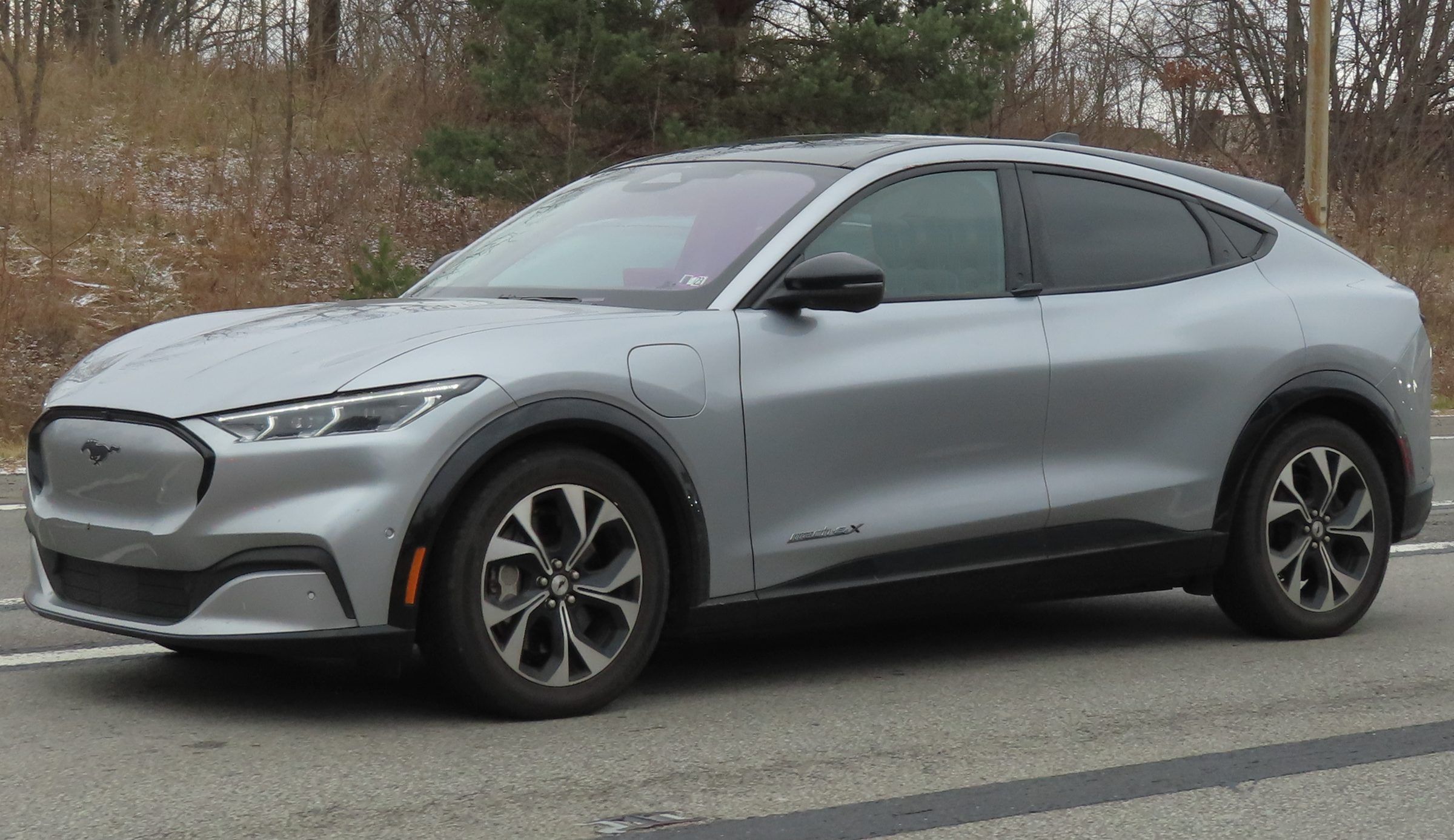
Five years on, Ford says 2021 Mustang Mach-E batteries keep 92% of their capacity on average
Ford analysed battery data from more than 36,000 first-year Mustang Mach-Es. Cars past 100,000 miles averaged better than 91% of usable capacity.
Key facts
- Ford analysed battery state-of-health data, as of August 2026, for about 36,000 model-year 2021 Mustang Mach-Es sold in the US and Canada; on average the batteries retained 92% of usable capacity.
- 95% of the cars fell between 87% and 97% battery health; more than 2,000 cars past 100,000 miles averaged better than 91%, and more than 30 past 200,000 miles averaged 88%.
- Ford says that across its full US and Canadian EV line-up of the last five years, packs average more than 90% health at 100,000 miles.
One of the biggest worries for EV buyers is how fast the battery wears out. Ford has published fleet-wide data on the first cars it sold in volume, the model-year 2021 Mustang Mach-E, and it suggests the batteries are ageing slowly.
In a post on 9 November 2026, Kevin Vander Laan, Ford’s technical leader for high-voltage battery cells and systems, said the company analysed battery state-of-health data for the whole 2021 fleet in the US and Canada: more than 36,000 cars, with an average ownership period of 5.2 years and about two billion miles driven.
The headline numbers
| Group | Average usable capacity retained |
|---|---|
| All ~36,000 model-year 2021 Mach-Es | 92% |
| More than 2,000 cars past 100,000 miles | Better than 91% |
| More than 30 cars past 200,000 miles | 88% |
Ford says 95% of the cars fall between 87% and 97% battery health. Vander Laan says that spread matters because averages can hide variation. The data is as of August 2026 and reflects usable capacity.
Ford adds that across its full line of battery EVs sold in the US and Canada over the last five years, packs are maintaining more than 90% health at 100,000 miles on average, and that its packs are designed to last at least 10 years.
The study was prompted partly by one owner, David Blenkle, who has driven more than 400,000 miles on the original battery of his 2022 Mach-E.
Ford’s battery care tips
- Charge on Level 2 at home for daily driving and save DC fast charging for days you need it.
- Avoid temperature extremes where possible: precondition while still plugged in, and park in the shade in summer.
- Follow the charge-level recommendations in the Ford app for your car.
The 2021 Mach-E uses NCM cells, for which Ford says frequent full charges are generally not needed. Some newer Ford EVs use LFP batteries, which Ford says benefit from an occasional charge to 100% so the battery management system stays calibrated.
A note on the source
These figures come from Ford’s own connected-vehicle data. They have not been independently verified, but they cover an entire model-year fleet rather than a small sample.
Charged Times compiled this report from Ford’s published analysis and the coverage listed below.
Frequently asked questions
How much battery capacity do Ford Mustang Mach-Es lose?
Ford says model-year 2021 Mach-Es retained 92% of usable battery capacity on average after about five years, based on data from roughly 36,000 cars in the US and Canada as of August 2026.
What about high-mileage Mach-Es?
More than 2,000 of the 2021 cars had passed 100,000 miles on their original battery and averaged better than 91% health. More than 30 cars past 200,000 miles averaged 88%.
What battery chemistry do 2021 Mach-Es use?
NCM (nickel-cobalt-manganese). Ford says frequent full charges are generally not needed for these cars, while its newer LFP batteries benefit from an occasional charge to 100%.
How can owners look after an EV battery?
Ford recommends charging on Level 2 at home day to day and saving DC fast charging for when it's needed, limiting exposure to temperature extremes, and following the charge-level guidance in the Ford app.
Sources
- Ford: Five Years In, Mustang Mach-E Battery Data Shows What Real-World EV Durability Looks Like (9 Nov 2026) (fromtheroad.ford.com)
- InsideEVs: Ford Tested 36,000 Mustang Mach-E Batteries. Here's How They Held Up After 100,000 Miles (insideevs.com)
- Axios: EV batteries are aging better than you might think (9 Nov 2026) (axios.com)
Related stories

Ford ships its first Michigan-made LFP battery cells, bound for Fathom pickup prototypes
The first lithium iron phosphate cells from BlueOval Battery Park Michigan, built with technology licensed from CATL, are heading to Louisville to power prototypes of Ford's $28,350 Fathom electric pickup.
Tesla will wind down Cybertruck production around mid-2027 to make more Cybercabs
Musk says the Texas line will wind down around mid-2027 after weak sales. Reuters has corrected its report: some comments first attributed to Musk came from an X user.
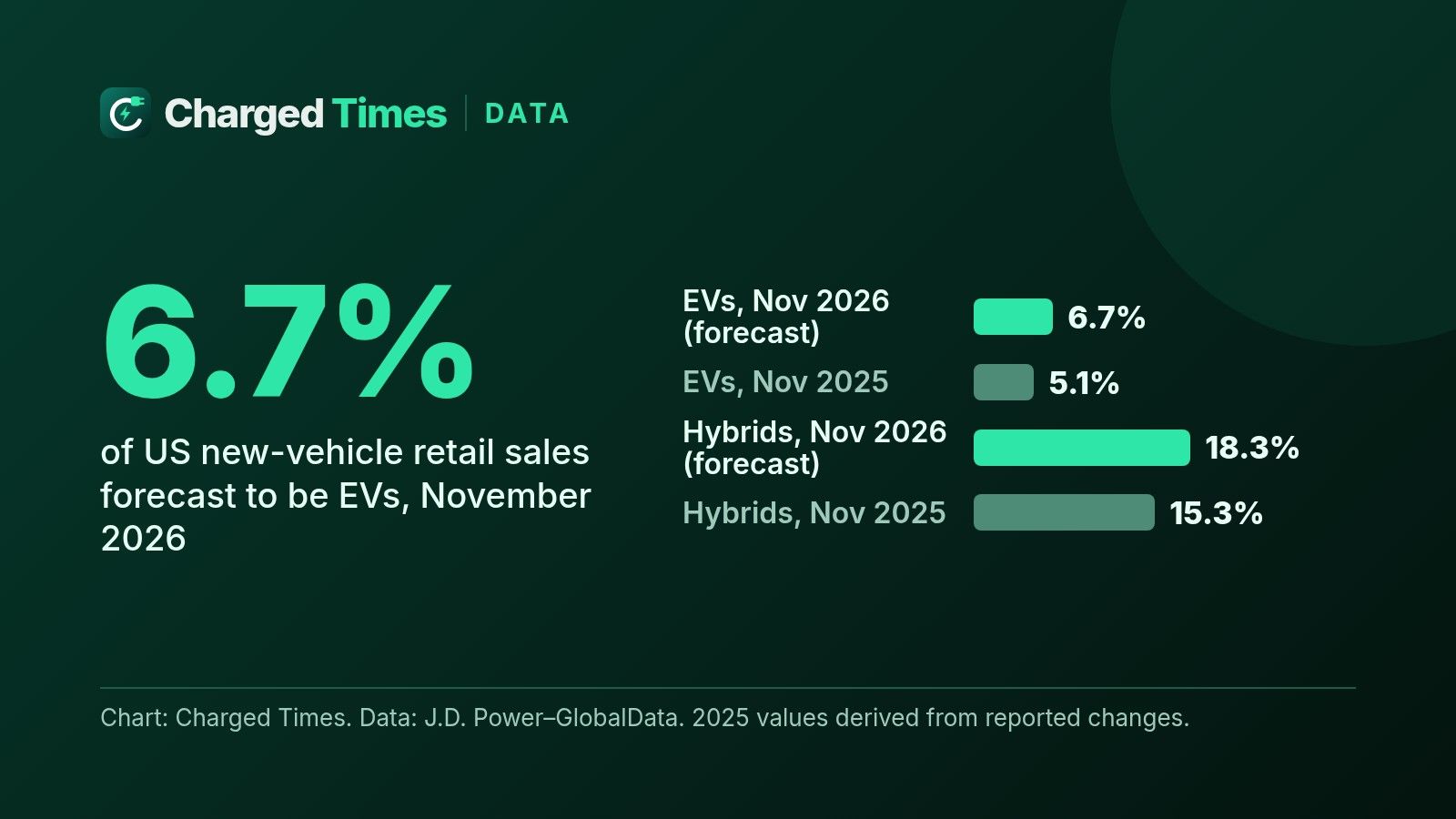
US EV sales return to growth in November with a 6.7% share, J.D. Power forecasts
J.D. Power and GlobalData expect EVs to take 6.7% of US new-vehicle retail sales in November, up 1.6 points on a year earlier, as hybrids keep gaining and EV incentives fall sharply.