Canada proposes raising the luxury-tax threshold for electric cars to C$150,000
Fully electric and hydrogen vehicles priced up to C$150,000 would be exempt from Canada's luxury tax under a proposal effective from 13 November 2026, subject to Parliament's approval. Other vehicles stay at C$100,000.

Key facts
- On 12 November 2026, Canada's finance minister proposed raising the luxury-tax price threshold for fully electric and hydrogen vehicles from C$100,000 to C$150,000.
- The change would take effect from the next day, 13 November 2026, subject to later approval by Parliament; all other vehicles stay at the C$100,000 threshold.
- The tax is the lesser of 10% of a vehicle's full value or 20% of the value above the threshold.
Canada wants fewer electric cars to pay its luxury tax. Finance minister François-Philippe Champagne announced on 12 November 2026 a proposal to raise the price threshold at which the tax applies to fully electric and hydrogen-powered vehicles from C$100,000 to C$150,000.
The measure would take effect from 13 November 2026, the day after the announcement, subject to later approval by Parliament. All other vehicles, including petrol and diesel cars, would stay at the C$100,000 threshold.
How the luxury tax works
The tax generally applies to passenger vehicles valued above the threshold and covers sales, imports, leases and certain improvements. The amount is the lesser of:
- 10% of the vehicle’s full value, or
- 20% of the value above the threshold.
As an illustration using those rules, an EV valued at C$120,000 would previously have owed the lesser of C$12,000 (10%) and C$4,000 (20% of the C$20,000 above C$100,000), so C$4,000. Under the proposal it would owe nothing, because it is below C$150,000.
The government’s reasoning
The Department of Finance says the change recognises the higher upfront cost of zero-emission vehicles and fits the government’s emissions targets. It also points to its charging plans:
- Canada has supported more than 50,000 chargers so far.
- Budget 2026 committed C$587 million over five years, starting in 2027–28, to install more than 55,000 chargers through a renewed Zero Emission Vehicle Infrastructure Program, roughly doubling federally supported chargers.
- A further C$45 million over five years would fund research on charging infrastructure.
The department also notes that Canada’s electricity grid is nearly 80% clean.
Who it affects
The change only affects buyers of fully electric or hydrogen vehicles valued between C$100,000 and C$150,000. Vehicles below C$100,000 were already exempt, and those above C$150,000 will still pay.
Charged Times compiled this report from the Department of Finance Canada announcement. The example calculation is ours, based on the rules in that announcement. The measure still needs parliamentary approval.
Frequently asked questions
What is changing in Canada's luxury tax for EVs?
The government proposes that fully electric and hydrogen-powered vehicles be taxed only above C$150,000, instead of C$100,000. Other vehicles keep the C$100,000 threshold.
When does the new EV luxury tax threshold apply?
From 13 November 2026, the day after the announcement, subject to subsequent approval by Parliament.
How is Canada's luxury tax on cars calculated?
It is the lesser of 10% of the vehicle's full value and 20% of the value above the threshold. It applies to sales, imports, leases and certain improvements.
Do plug-in hybrids get the higher threshold?
The announcement covers fully electric and hydrogen-powered vehicles. It says all other vehicles remain subject to the C$100,000 threshold.
Sources
Related stories

EU Parliament committee votes to cut the 2035 car CO2 target to 87.5%, but the law hasn't changed yet
The European Parliament's Environment Committee voted 48–30 to soften the 2035 zero-emission rule for new cars and vans. The full Parliament votes in December, and EU governments must still agree.

Ireland launches its 2026–2028 EV charging strategy as electric cars become its top-selling type
Ireland now has more than 270,000 registered EVs and over 3,620 public charge points. Its new strategy focuses on high-power hubs on national roads, neighbourhood charging and fleets.
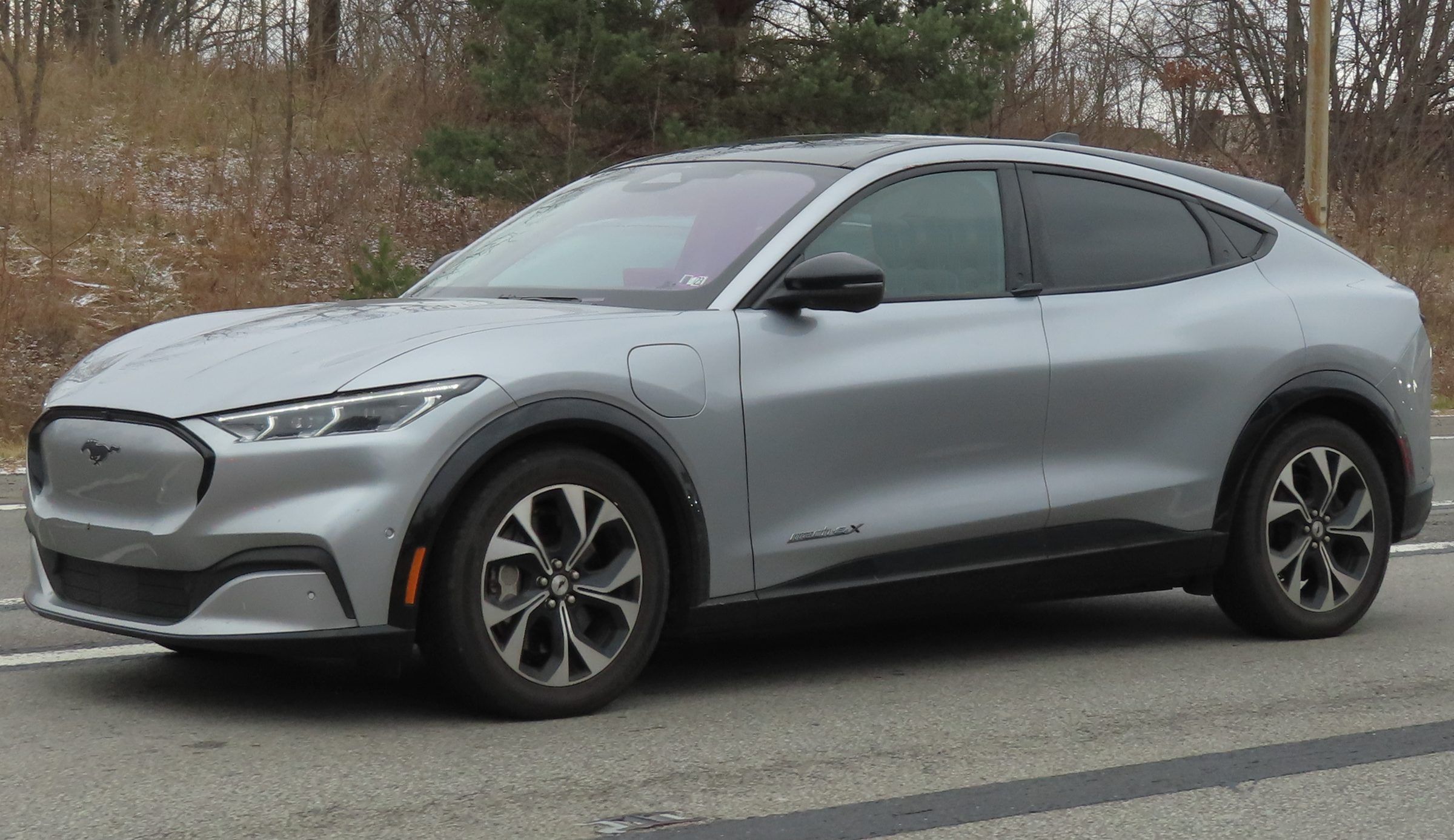
Five years on, Ford says 2021 Mustang Mach-E batteries keep 92% of their capacity on average
Ford analysed battery data from more than 36,000 first-year Mustang Mach-Es. Cars past 100,000 miles averaged better than 91% of usable capacity.