EU's planned cap on Chinese hybrid imports pushes Chinese carmakers towards range-extender EVs
Brussels plans to limit hybrid cars from China to 350,000 in the first year. Range-extender EVs, which the EU already classes as battery-electric, fall outside the hybrid cap, and Chinese brands are expected to ship more of them.
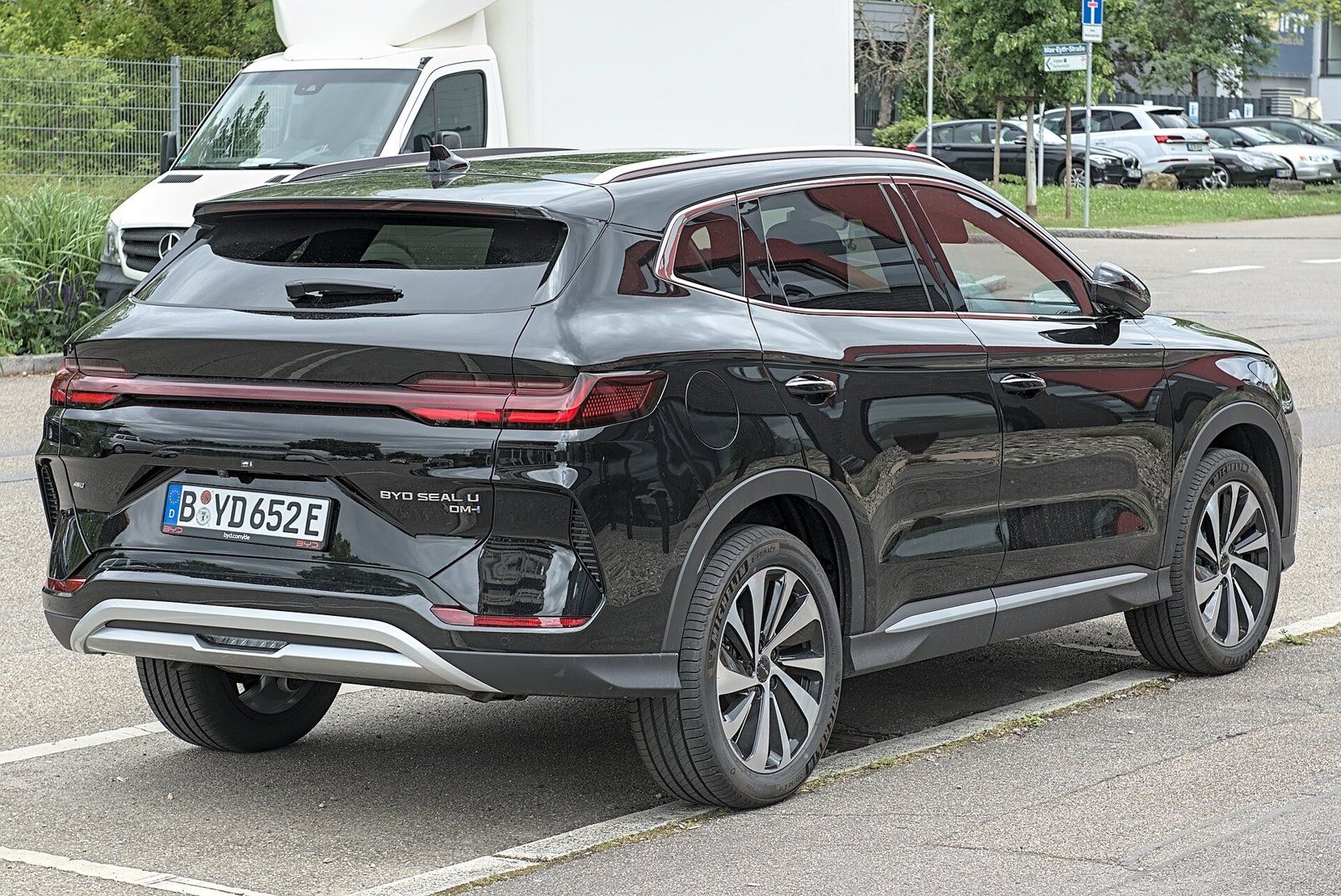
Key facts
- Under an EU–China understanding of 9 October, no more than 350,000 China-made hybrid cars would enter the EU in the first year, with the quota rising 6% a year over four years, heise reports.
- The European Commission opened a safeguard investigation on 30 October and plans provisional measures from early December; the cap has not yet been formally adopted.
- Range-extender EVs are already classed as battery-electric under the EU's 2024 duties on Chinese BEVs, and Nikkei Asia reports Chinese carmakers will ship more quota-exempt cars with this kind of 'niche powertrain'.
The European Union plans to cap imports of hybrid cars made in China, and Chinese carmakers are already rethinking which cars they send to Europe. Range-extender electric cars, which sit outside the planned quota, are set to become a bigger part of their shipments, Nikkei Asia reported on 20 November.
The cap
Under an understanding reached between the EU and China on 9 October, no more than 350,000 hybrid cars from China would enter the EU in the first year, with the quota rising 6% a year over four years, according to figures European Commission President Ursula von der Leyen gave the European Parliament, as reported by heise autos.
The cap is not law yet. The Commission opened a safeguard investigation on 30 October, with provisional measures planned for early December. Unlike the EU’s tariffs on Chinese battery-electric cars, a safeguard measure does not need proof of subsidies; a sharp rise in imports and a threat of serious harm to EU industry are enough.
heise says the measure covers new passenger cars with up to nine seats that combine a combustion engine with at least one electric motor, whether or not they plug in, so both plug-in and full hybrids are included. According to reports so far, what counts is where the car is built, not the brand: Chinese brands building in the EU, such as BYD in Hungary, would not be affected, while hybrids from European brands built in China could count.
Why range-extenders are different
A range-extender EV (EREV) is driven only by its electric motor; its petrol engine works as a generator to recharge the battery. In a plug-in hybrid, the engine can drive the wheels itself.
The EU already draws that line. Its 2024 regulation imposing countervailing duties on Chinese battery-electric cars treats BEVs with a range extender as part of the BEV category, and says they differ from plug-in hybrids because the engine only recharges the battery. Those duties range from 7.8% to 35.3% depending on the maker.
Nikkei Asia reports that Chinese carmakers are set to ship more cars that are exempt from the quotas because they use a “niche powertrain”, as they rethink their European strategy. Its report pictures Li Auto’s Li 6 SUV, which it says is heading to Europe in both range-extender and pure-electric versions. The full detail of Nikkei’s report is behind a paywall, so we have not been able to check which models or volumes it names.
The surge behind the cap
Chinese hybrid shipments to Europe have climbed fast ahead of the cap. Chinese customs data show just under 100,000 hybrids went to the EU in September alone, and about 670,000 arrived from January to September, nearly twice the 356,000 shipped in all of 2025, heise reports. Analysts at Bernstein see this partly as shipments brought forward before the quota bites.
For the wider European market, see our report on Europe’s October EV registrations.
Charged Times compiled this report from heise autos, the EU’s 2024 BEV duty regulation and the openly available part of Nikkei Asia’s report, which is paywalled. We have not seen the Commission’s December measure, which has not been published.
Frequently asked questions
How big is the EU's cap on Chinese hybrids?
350,000 vehicles in the first year, rising by 6% a year, over four years, according to figures European Commission President Ursula von der Leyen gave the European Parliament, as reported by heise.
Is the cap in force?
Not yet. The Commission opened a safeguard investigation on 30 October and plans provisional measures from early December.
Why are range-extender EVs outside the cap?
Nikkei Asia reports that cars with this kind of powertrain are exempt from the quotas. The EU's 2024 regulation on Chinese battery-electric cars treats range-extender EVs, whose engine only recharges the battery, as BEVs, so they already face the separate BEV countervailing duties of 7.8% to 35.3% instead.
Are Chinese brands built in Europe affected?
According to reports so far, the cap depends on where a car is built, not the brand, so Chinese brands building in the EU, such as BYD in Hungary, would not be affected, heise reports.
Sources
- Nikkei Asia: EU curb on Chinese hybrid cars drives shift to niche powertrain (20 Nov 2026, paywalled) (asia.nikkei.com)
- heise autos: Race to beat the quota? Chinese automakers flood EU with hybrids (11 Nov 2026) (heise.de)
- EUR-Lex: Commission Implementing Regulation (EU) 2024/2754 (countervailing duties on Chinese BEVs) (eur-lex.europa.eu)
Related stories
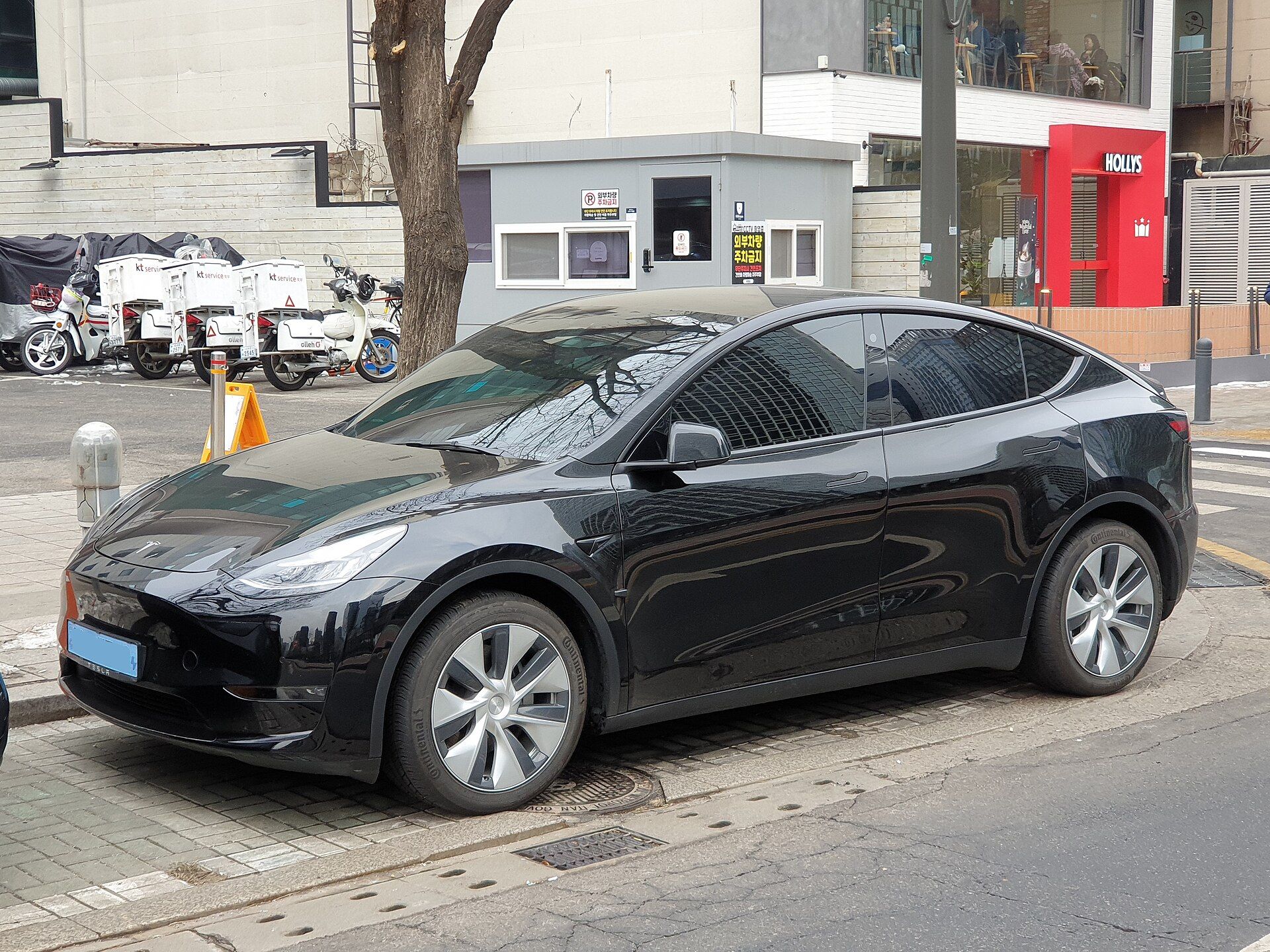
South Korea's car trade deficit with China hits a record $4.23 billion, driven largely by China-made Teslas
Korea's car imports from China jumped 79.2% to $4.39 billion in January to October, while exports fell 34.9%. Yonhap attributes the record deficit largely to Tesla EVs made in Shanghai.
China's NEV share hits a record 67.5% in October, even as sales fall for a 10th month
China's passenger new-energy vehicle retail sales fell 13.7% year on year to 1.109 million in October, but the overall car market fell faster, pushing NEV penetration to a record, according to the CPCA.
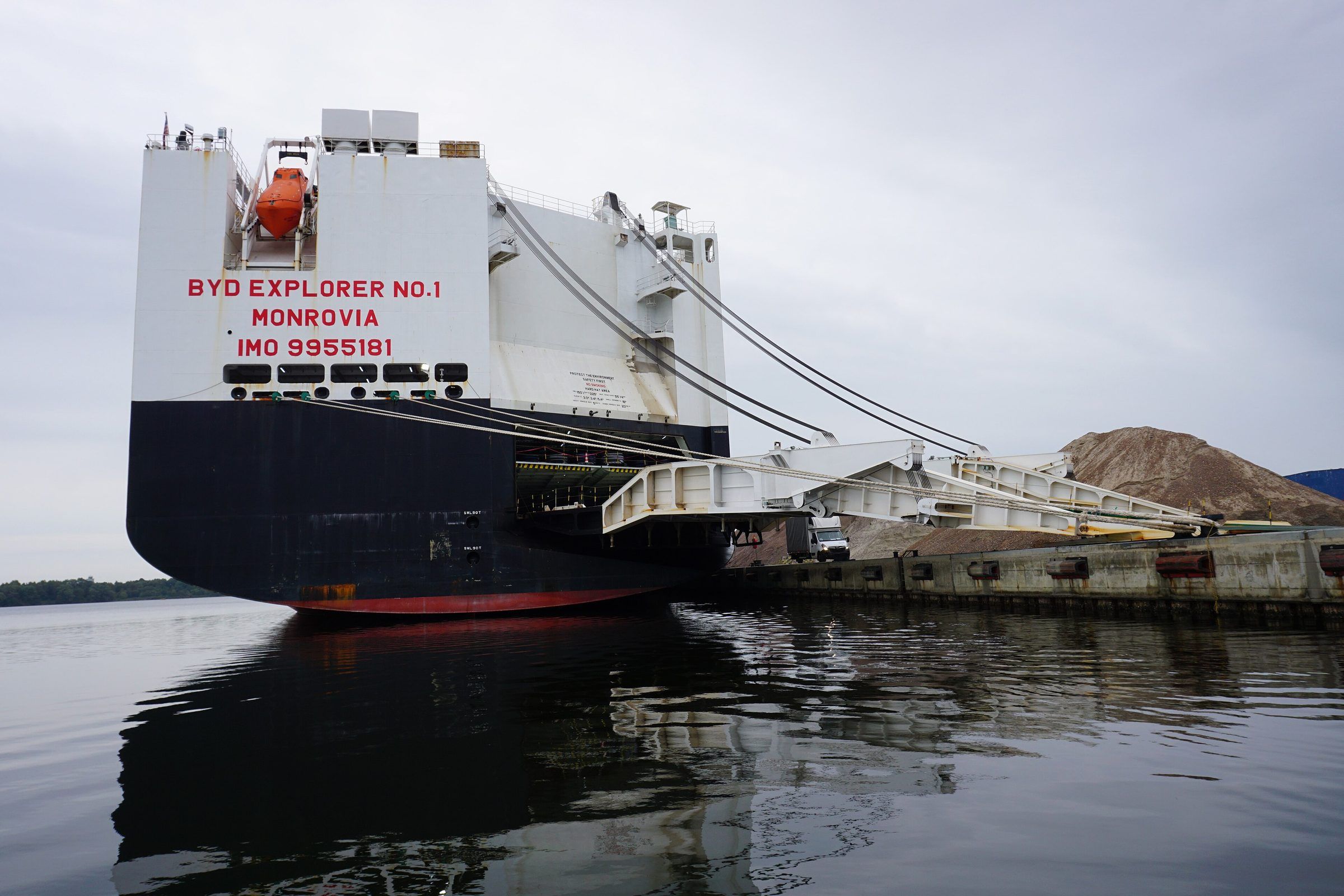
BYD's October sales reach a 2026 high as battery-EV sales top 300,000 for the first time
BYD sold 490,168 new-energy vehicles in October 2026, up 11%, driven by a record 305,743 battery-electric cars. Exports doubled while domestic sales fell.