Malaysia to rework EV incentives around local suppliers, technology transfer and exports
Malaysia's trade ministry is drafting changes that would make export performance a key condition for EV incentives, Deputy Minister Sim Tze Tzin told parliament.
Key facts
- Malaysia's Ministry of Investment, Trade and Industry (MITI) is drafting revisions to its EV incentive framework, Deputy Minister Sim Tze Tzin told the Dewan Rakyat, as reported by Bernama.
- The changes would put more weight on local vendor participation, technology transfer and high-skilled jobs, and make export performance a key condition for incentives.
- The question in parliament followed BYD's decision to assemble cars locally through partner Inokom rather than build its own plant.
Malaysia wants more than showrooms full of imported electric cars. Its trade ministry is drafting changes to its EV incentive framework that would reward carmakers for using local suppliers, transferring technology, creating skilled jobs and, above all, exporting, Bernama reported, as carried by AutoBuzz.my on 20 November.
What was said
Sim Tze Tzin, Deputy Minister of Investment, Trade and Industry (MITI), told the Dewan Rakyat that the proposed changes would place greater emphasis on local vendor participation, technology transfer and high-skilled workforce development. Export performance would become a key benchmark and condition for getting EV incentives.
He said the existing incentive rules already require investors to localise by sourcing from local suppliers. The aim, he said, is to make sure Malaysia is not just a market for EVs, but builds its own technology, supply chain and vendors, with more skilled jobs and exports.
The revisions are meant to line up with the National Automotive Policy 2020 (NAP 2020) and the New Industrial Master Plan 2030 (NIMP 2030).
The BYD backdrop
The question came from Rodziah Ismail, the Pakatan Harapan MP for Ampang. She asked whether the government would tie EV incentives to measurable local value, such as exports, local vendors, skilled jobs and technology transfer, instead of approving them on the basis of upfront investment pledges.
Her question followed BYD’s decision to go for completely knocked-down (CKD) local assembly through its partner Inokom Corporation, rather than building its own dedicated factory, according to the report.
What is not known yet
The minister did not give a date, and the report does not spell out which incentives would change or what export thresholds might apply.
Charged Times compiled this report from AutoBuzz.my’s account of Bernama’s reporting. We have not seen MITI’s draft.
Frequently asked questions
What is Malaysia changing about EV incentives?
MITI is drafting revisions that would give more weight to local vendor participation, technology transfer and skilled-job creation, and make export performance a key benchmark and condition for EV incentives.
Why now?
The deputy minister was answering a question in parliament on whether incentives should be tied to measurable local value rather than upfront investment pledges. The question followed BYD's choice of CKD assembly through Inokom instead of its own plant.
When will the changes take effect?
No date was given. The revisions are still being drafted.
Sources
Related stories
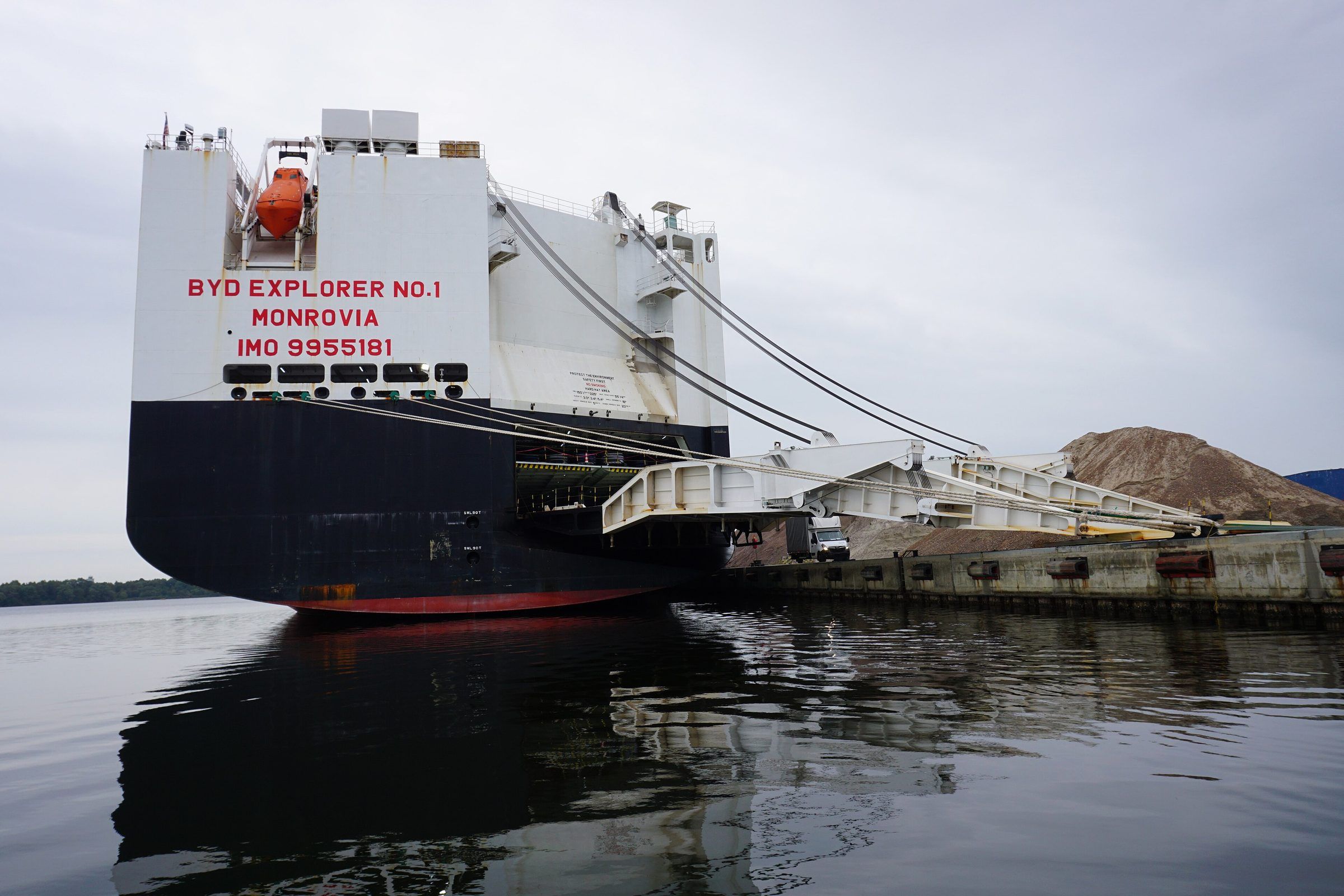
BYD's October sales reach a 2026 high as battery-EV sales top 300,000 for the first time
BYD sold 490,168 new-energy vehicles in October 2026, up 11%, driven by a record 305,743 battery-electric cars. Exports doubled while domestic sales fell.
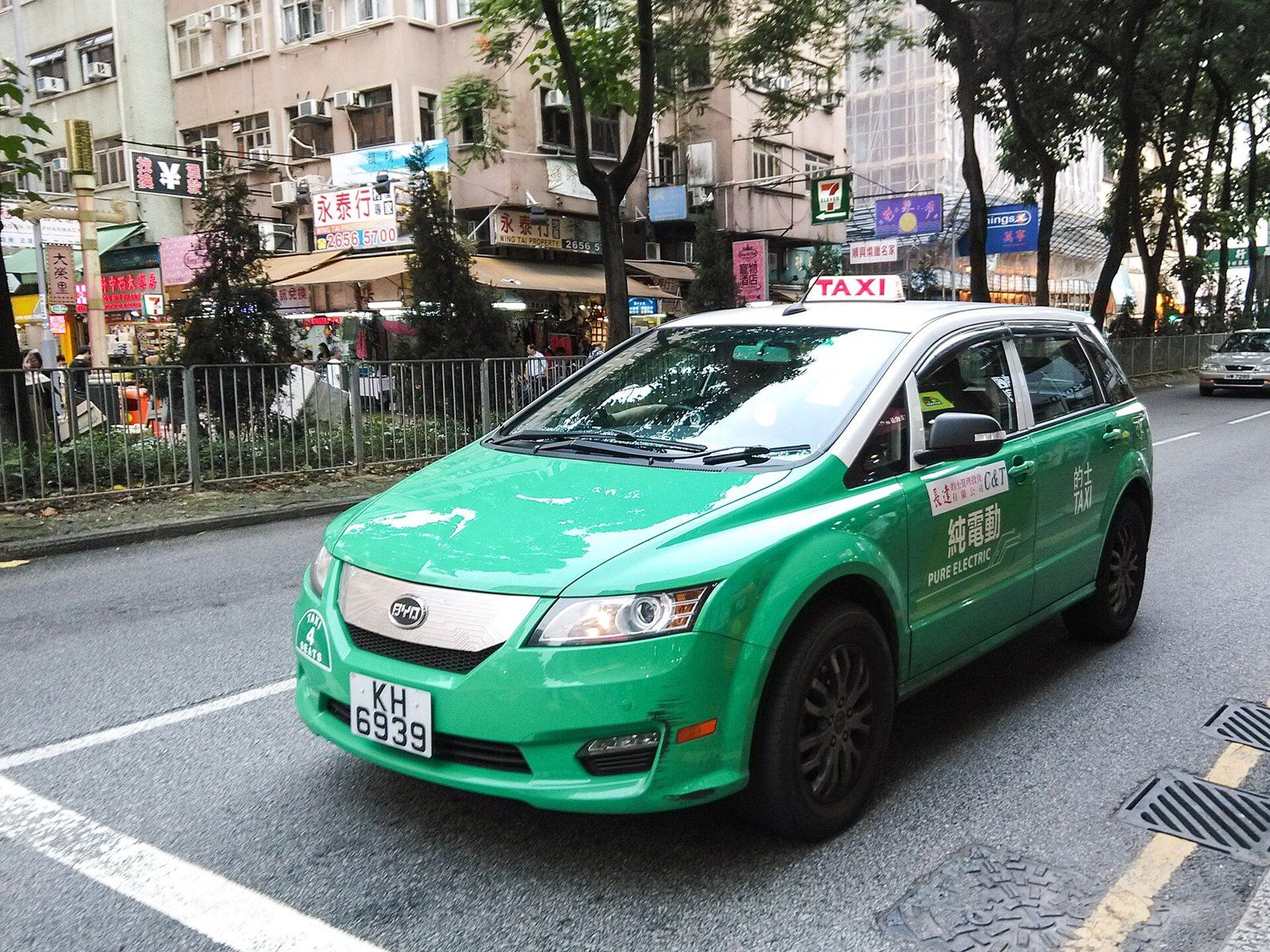
Hong Kong plans a levy on carmakers to fund free EV battery recycling, starting at HK$6 a kilogram
Under a proposed producer responsibility scheme, suppliers would pay a levy before bringing in new EVs or batteries, and owners would get one free recycling of the battery. A bill is planned for 2027.
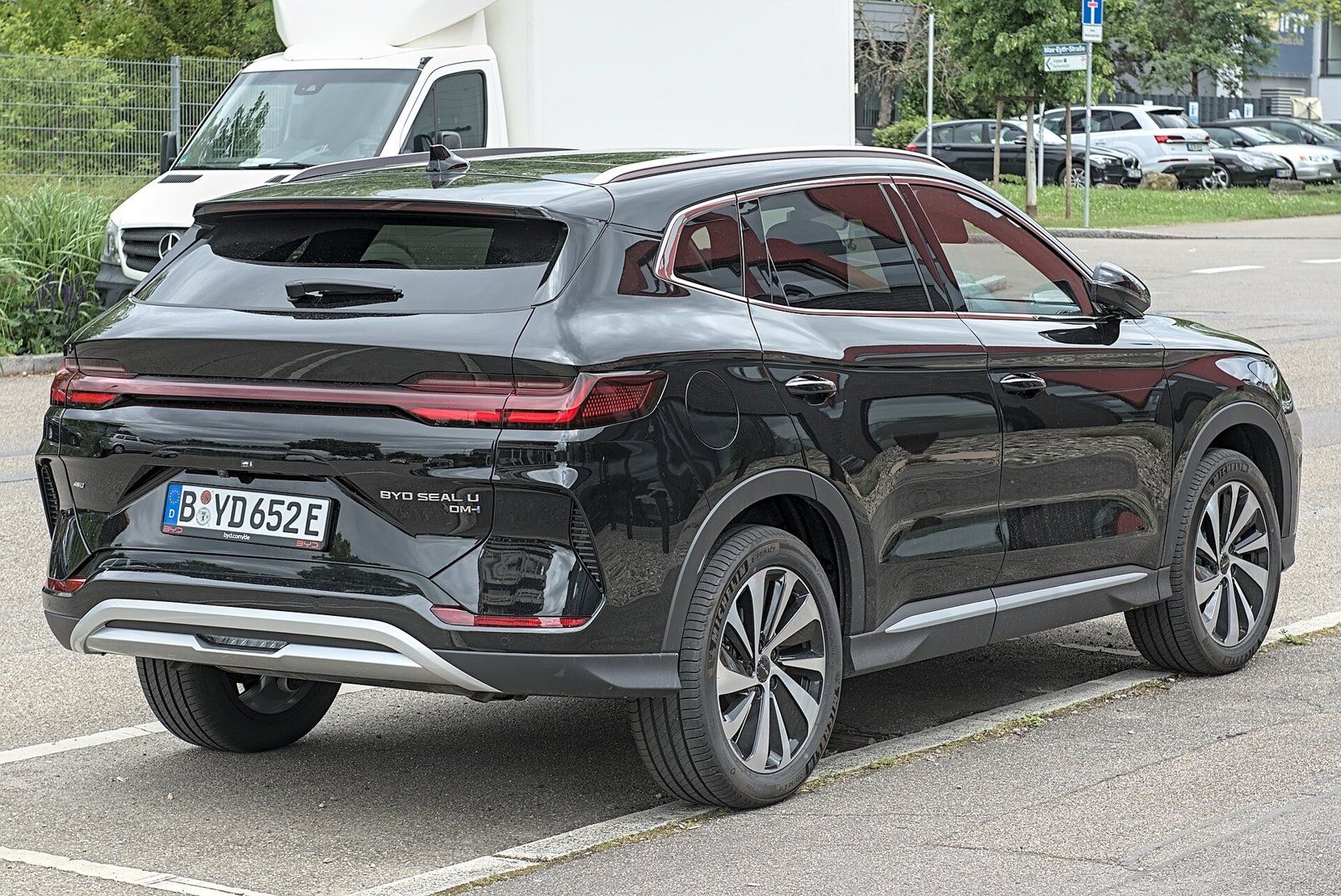
EU's planned cap on Chinese hybrid imports pushes Chinese carmakers towards range-extender EVs
Brussels plans to limit hybrid cars from China to 350,000 in the first year. Range-extender EVs, which the EU already classes as battery-electric, fall outside the hybrid cap, and Chinese brands are expected to ship more of them.